
Mira was used to noise — the hum of cartoons, her siblings arguing, the ring of her mom’s phone. But in Sunday school, there was a rare moment of silence. The teacher whispered, “Let’s listen for God’s voice.”
Mira giggled at first. Then paused.
Later that week, while helping her friend who’d dropped their lunch, she suddenly remembered the same whisper: “Be kind, even when no one’s watching.” That wasn’t her thought — it felt deeper.
She went home and said, “Mom, I think God talked to me.”
The mom froze, unsure. “What do you mean?”
“I don’t know,” Mira said, “but it made me do the right thing.”
That’s it. That’s how it starts.
The Biblical Pattern of Listening
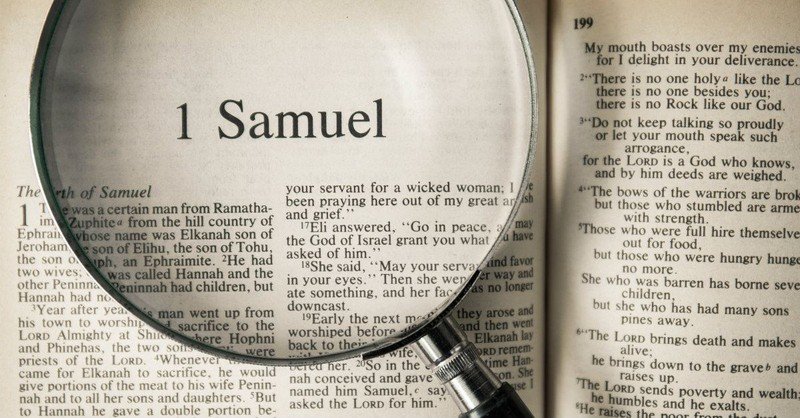
Samuel’s story begins not with noise but stillness. “In those days the word of the Lord was rare.” (1 Samuel 3:1)
Then came the whisper. Three times. Until Eli finally said, “Speak, Lord, for your servant is listening.”
God still speaks — through His Word, through conscience, through peace, and sometimes through people. But kids must be taught to tune in. Our world overfeeds their eyes and starves their ears.
Spiritual listening isn’t weird — it’s discipleship.
How to Train Kids to Hear God’s Voice
Teach Silence as a Skill.
Begin every session with one minute of quiet. No talking, no fidgeting — just breathing and inviting God in.
Link God’s Voice to Scripture.
Remind them: God’s whispers never contradict His Word. Every “message” must align with Scripture.
Affirm, Don’t Mock.
When a child says, “I think God said…,” don’t laugh. Say, “Let’s check that with the Bible.”
Model Listening.
Share how you hear God — through prayer, conviction, or moments of clarity. Kids imitate authenticity more than instruction.
Hot take: Too many churches talk about God but don’t teach how to hear Him. We’re raising children who know Bible facts but miss His presence. That’s like memorizing a love letter but never meeting the sender.
If we want a generation that doesn’t fall for false voices, we have to show them the real one — slow, loving, familiar.
Hearing God isn’t magic; it’s relationship. When we teach children to slow down, to read Scripture prayerfully, to journal their thoughts, we’re helping them recognize divine patterns.
When they learn His tone in peace, they’ll spot counterfeits in chaos.
Don’t underestimate their spiritual sensitivity — sometimes they hear clearer than adults do.
Teach the Whisper Before the Shout
Before God sends them on big missions, He teaches them quiet obedience. Samuel learned to listen before he led nations. Let’s teach our children to listen before they lead.
This week, end your children’s class with 60 seconds of silence. Ask, “What do you think God is saying today?” Write down their responses. You might be surprised — their hearts may already be tuned to heaven.